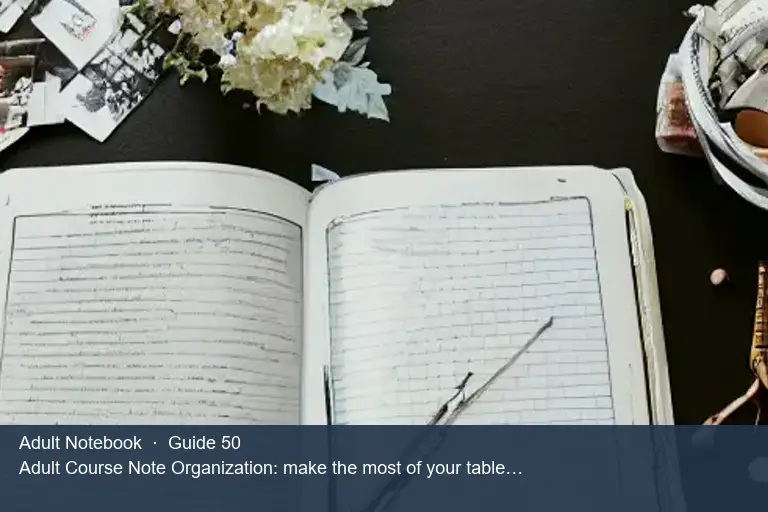
Adult Course Note Organization: make the most of your table space — process map for existing supplies; setup with paper records
When organizing adult course notes on paper, start by assessing what you already have. Take a close look at your current supplies and identify which documents are essential, which are redundant, and which can be archived or digitized. Prioritize clarity over clutter—keep only the most relevant information that supports your learning goals. Consider using clear headings and consistent formatting to make scanning and reviewing easier later.
Next, think about how you’ll store what remains. A simple filing system works well: dedicate sections for different topics, dates, or instructors. Label folders or binders clearly so you can locate materials quickly without wasting time searching. If space is limited, explore stacking techniques or using vertical storage to maximize efficiency. This approach not only saves room but also reduces stress when reviewing past notes.
Finally, set a routine for maintaining your system. Schedule regular reviews to update outdated information and remove anything that no longer serves a purpose. By staying intentional with your paper records, you’ll create a more organized environment that supports focus and productivity. This method is practical for anyone looking to enhance their learning experience without feeling overwhelmed.