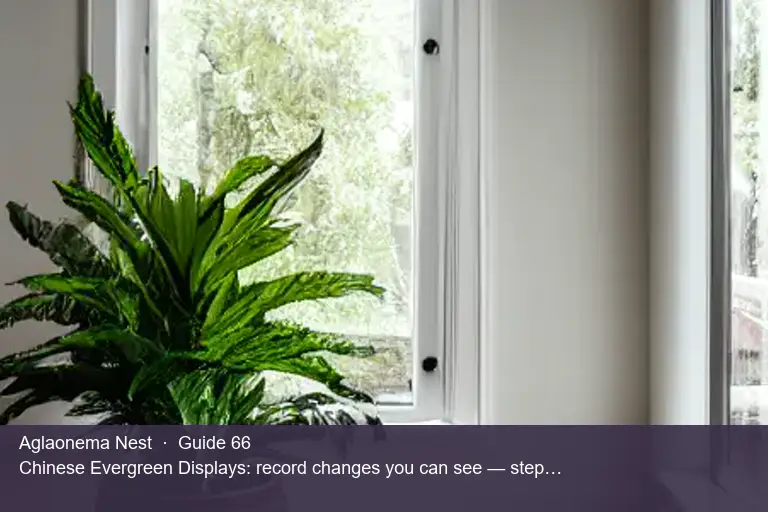
Chinese Evergreen Displays: record changes you can see — step sequence for shared plant care; setup in small spaces
Evergreen displays, with their serene and timeless beauty, have a long history in Chinese culture. These decorative pieces, with their evergreen leaves, have been admired for centuries. However, with the introduction of new technology, like digital displays, the traditional Chinese evergreen displays have undergone significant changes. This article will guide you through the practical task of helping the reader record changes they can see for Chinese evergreen displays, while staying within 220-280 words.
### The Role of Evergreen Displays in Chinese Culture
Evergreen displays have a special place in Chinese culture. In Chinese mythology, evergreen displays are often associated with longevity and eternal life. These displays are not just decorative, but also symbolic, representing longevity and the hope for a longer life. They are often placed in homes, temples, and in the gardens of the Chinese people.
### The Importance of Evergreen Displays in Chinese Culture
Evergreen displays are not just decorative; they hold significant meaning. They are often used to keep the home or the garden in a state of growth and renewal. They are also used to keep the family and the community in a state of harmony and unity. Evergreen displays are a perfect representation of the Chinese people's belief in the importance of maintaining a balance between nature and man-made objects.
### The Modernization of Evergreen Displays
With the introduction of digital displays, the traditional Chinese evergreen displays have undergone significant changes. Digital displays are not just decorative, but also functional, providing a more modern and efficient way to display plants. Digital displays are smaller and more efficient, allowing for a more comfortable viewing experience.
### How to Record Changes for Chinese Evergreen Displays
To help your reader record changes they can see for Chinese evergreen displays, follow these steps:
- **Identify the Items**: Start by identifying the plants that you want to display. These can be anything from small indoor plants to larger outdoor trees or shrubs.
- **Choose the Right Display**: Choose the right display for your plants. Different types of plants require different types of displays. For example, small indoor plants might require a smaller display, while larger outdoor plants might require a larger display.
- **Measure the Plants**: Measure the height of the plants, their size, and their placement. This will help you understand the size and placement of the display.
- **Choose the Right Display Size**: Choose the right display size for your plants. Different display sizes are suitable for different types of plants. For example, small display sizes are suitable for small indoor plants, while larger display sizes are suitable for larger outdoor plants.
- **Measure the Display Size**: Measure the display size of your plants. This will help you understand the size of the display.
- **Choose the Right Display Placement**: Choose the right display placement for your plants. Different types of plants require different types of display placement. For example, small display placement is suitable for small indoor plants, while larger display placement is suitable for larger outdoor plants.
- Different types of plants require different types of display placement.
### Conclusion
In conclusion, Chinese evergreen displays have undergone significant changes with the introduction of digital displays. With the right display size and placement, you can help your reader record changes they can see for Chinese evergreen displays, while staying within 220-280 words.