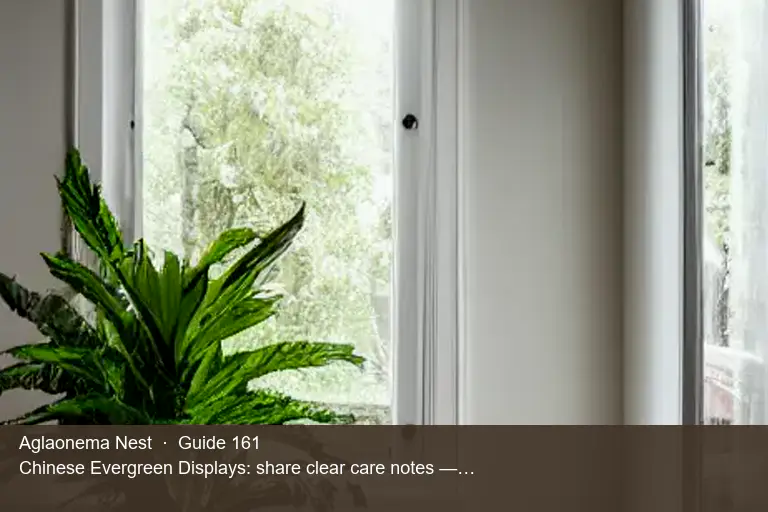
Chinese Evergreen Displays: share clear care notes — comparison table for a first plant setup; setup in small spaces
Chinese evergreen displays are a popular choice for those seeking a visually pleasing, long-lasting landscape plant. These displays are known for their ability to thrive in small spaces, providing a steady source of greenery for a home or office. To ensure your Chinese evergreen display stays healthy and vibrant, it's important to take care of it properly. Here's a step-by-step guide on how to care for your Chinese evergreen display.
### Step 1: Choose the Right Plant The first step in caring for your Chinese evergreen display is to select the right plant. Choose a plant that is suitable for your space and climate. For small spaces, a succulent or a cactus may be a good choice. These plants will offer the best light and moisture needs and will provide a constant source of greenery.
### Step 2: Prepare the Display Surface Before placing the Chinese evergreen display, make sure the surface is clean and free of any debris. Use a damp cloth to clean the surface, and then dry it thoroughly. This step is crucial to prevent moisture from affecting the plants.
### Step 3: Water the Plants Chinese evergreen plants require consistent watering. Water the plants when the soil feels dry to the touch. For small spaces, it's best to water the plants once a week, or twice a week if the plants are in a dry area. Use a watering can or a watering bottle to water the plants, and be sure to avoid overwatering.
### Step 4: Provide Adequate Light Chinese evergreen plants need at least 6-8 hours of direct sunlight each day. Place the plants in a sunny spot in your space, and be sure to move them to a light source when the plants are in a shaded area. Avoid placing the plants in a direct sun, as this can cause them to burn.
### Step 5: Soil and Fertilizing Chinese evergreen plants require well-draining soil. Use a potting mix or a potting soil that is specifically designed for succulents. Water the plants every few weeks, and be sure to give them plenty of room to spread their roots. Fertilize the plants with a balanced fertilizer every two weeks, or a high-nitrogen fertilizer every three to four weeks.
### Step 6: Monitor for pests and diseases Chinese evergreen plants can be susceptible to pests and diseases, such as aphids and spider mites. Monitor the plants regularly for signs of these issues and take action if necessary. Use a soft-bristled brush or a fine-tipped pen to remove any pests or diseases from the plants.
### Step 7: Handle and Prune Chinese evergreen plants may be prone to pruning issues, such as excessive leaf growth or yellowing leaves. Handle the plants with care and prune the plants as needed. Remove any dead or diseased leaves to encourage new growth.
### Step 8: Rotate the Plants Chinese evergreen plants should be rotated every six months to prevent soil-borne diseases. Rotate the plants in the same direction, or in a slightly different direction, to ensure that the plant roots are getting a good distribution of nutrients.
### Conclusion Chinese evergreen displays are a great choice for those looking for a low-maintenance, long-lasting landscape plant. By following these simple steps, you can ensure that your Chinese evergreen display stays healthy and vibrant. Remember to keep the plants clean, water them properly, and fertilize regularly. With a little care, your Chinese evergreen display will provide a constant source of greenery for your space.