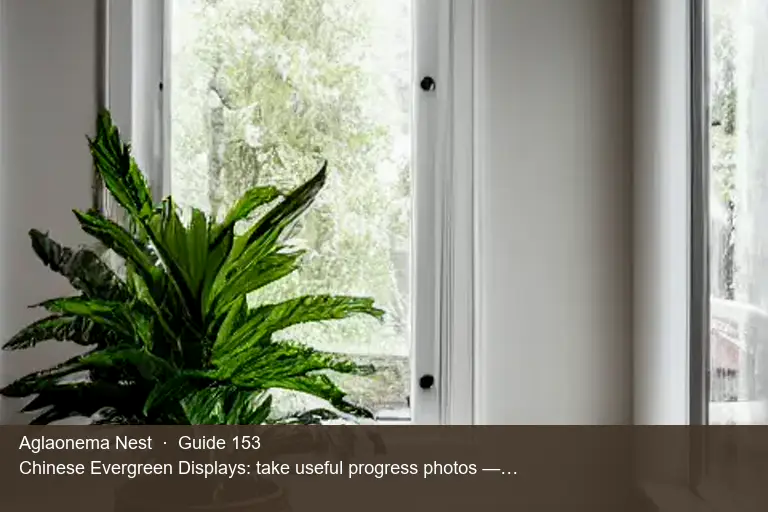
Chinese Evergreen Displays: take useful progress photos — priority ranking for incomplete plant labels; setup in small spaces
Chinese evergreen displays are a popular and often overlooked part of a home landscape. These displays are made of greenery such as bamboo, moss, and mossy soil, which are used to create a natural-looking and low-maintenance garden. Evergreen displays are ideal for small spaces as they provide an excellent visual and aesthetic appeal.
When it comes to Chinese evergreen displays, the first step is to choose the right type of evergreen. There are several types of evergreen, including bamboo, moss, and mossy soil. Bamboo is a popular choice as it provides a soft, gentle texture that is perfect for natural landscaping. Moss and mossy soil are also excellent choices, as they provide a natural, green and low-maintenance environment.
Once the type of evergreen has been chosen, the next step is to decide on the size and shape of the display. A standard size for Chinese evergreen displays is 2-3 feet in diameter, making them ideal for small spaces. The shape of the display can vary, but it is recommended to keep it simple and elegant to avoid confusion.
After the size and shape of the display have been decided, the next step is to choose a location for the display. The ideal location for a Chinese evergreen display is outdoors, in a spot where the sun can reach. This can be a sunny spot or a shaded spot, depending on the preferences of the owner.
Once the location has been chosen, the next step is to gather the necessary materials. These materials include bamboo, moss, and mossy soil. Bamboo can be purchased at hardware stores or online, moss and mossy soil can be purchased at garden centers, and the remaining materials can be obtained from local garden centers.
Once the materials have been gathered, the next step is to begin the construction of the display. The display can be built in one piece, or it can be built in small pieces that can be easily attached to the display. The display can be built in small pieces to keep the display small and to avoid any clutter.
Once the display has been built, the next step is to ensure that the display is properly watered and cared for. The display should be watered regularly, but not too often. The display should also be kept in a dry environment, as overwatering can cause rot and decay.
After the display has been built and cared for, the next step is to take progress photos. The progress photos can be taken from a distance, as close as possible, to avoid any distractions. The photos should be taken at the right angle, to avoid any distortion or misinterpretation.
The next step is to analyze the photos and identify any areas for improvement. These areas for improvement can be areas where the display is not looking as good as it should, or areas where the display is looking as good as it should. The photos can be analyzed by looking at the overall appearance of the display, the texture of the display, and the overall color scheme of the display.
The next step is to make the necessary changes to the display to improve its appearance. The changes can be made by altering the size or shape of the display, or by changing the type of evergreen to improve the display's appearance. The changes can be made by altering the materials used to build the display, or by altering the color scheme of the display.
The next step is to repeat the process, taking progress photos and analyzing the photos to identify any areas for improvement. The process can be repeated until the display is as good as it should be.
In conclusion, Chinese evergreen displays are a popular and often overlooked part of a home landscape. By choosing the right type of evergreen, deciding on the size and shape of the display, gathering the necessary materials, building the display, taking progress photos, analyzing the photos, and repeating the process until the display is as good as it should, you can take useful progress photos for your Chinese evergreen displays.